
How to Trim Trees in Arizona: A Complete Guide to Healthy Tree Trimming
Secondary Keywords: Tree trimming Arizona, how to trim a tree, tree trimming Phoenix, best time to trim trees in Arizona, tree pruning tips, professional tree trimming.
Trees are an important part of Arizona’s landscape, providing shade, improving curb appeal, and helping homeowners create beautiful outdoor spaces. However, keeping trees healthy in the desert climate requires proper maintenance, especially when it comes to trimming and pruning.
Learning how to trim trees correctly can help encourage healthy growth, remove hazardous branches, and protect your property from potential damage. Whether you have a Palo Verde, Mesquite, Olive, or another popular Arizona tree, understanding the proper trimming techniques can make a significant difference.
At Aachen Tree Service, we provide professional tree trimming and pruning services throughout Phoenix, Scottsdale, Mesa, Chandler, Gilbert, Tempe, and surrounding Arizona communities.
In this guide, we’ll explain how to trim trees safely, when to schedule trimming, which tools to use, and when it’s best to call a professional.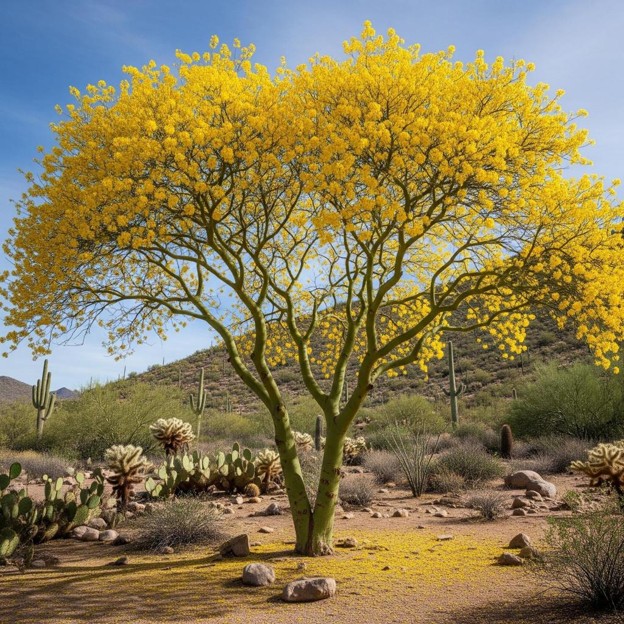
Why Is Tree Trimming Important?
Regular tree trimming is essential for maintaining the health, appearance, and structural integrity of your trees. Arizona’s intense summer heat, seasonal monsoon storms, and periods of drought make proper tree maintenance especially important.
Here are some of the biggest benefits of trimming your trees:
- Promotes Healthy Growth: Removing dead, diseased, or damaged branches allows trees to direct resources toward healthy growth.
- Reduces Storm Damage: Proper pruning can improve branch structure and reduce the risk of limb failure during Arizona’s monsoon season.
- Improves Appearance: Removing unwanted branches helps maintain a natural, attractive tree shape.
- Protects Your Property: Trimming branches that extend toward roofs, structures, or walkways can help reduce potential hazards.
- Improves Airflow and Sunlight: Selective pruning can improve airflow through dense canopies without sacrificing valuable shade.
It’s important to remember that excessive trimming can do more harm than good. The goal is to maintain a healthy tree structure rather than remove as many branches as possible.
How to Trim Trees: Step-by-Step Guide
If you’re planning to trim smaller trees on your property, following the correct techniques can help prevent unnecessary damage.
- Inspect Your Tree Before Trimming
Before making any cuts, take a few minutes to examine the overall condition of your tree.
Look for dead or broken branches, signs of disease, branches rubbing against each other, and weak or damaged limbs.
Pay special attention to branches growing toward your home, driveway, or outdoor structures.
If you notice large cracks, hollow sections, leaning trunks, or major structural problems, contact a professional tree service before attempting to trim the tree.
- Choose the Right Tree Trimming Tools
Using the proper tools helps create clean cuts and reduces damage to the tree.
Tool | Best Use |
Hand pruners | Small twigs and thin branches |
Loppers | Medium-sized branches within easy reach |
Pruning saw | Larger branches that can be safely reached from the ground |
Safety glasses and gloves | Protection from debris and sharp branches |
Always use clean, sharp tools. Dull blades can tear bark and create unnecessary damage.
Avoid using ladders or chainsaws for DIY tree trimming. Large limbs, branches near power lines, and work requiring climbing should be handled by trained professionals.
- Remove Dead, Diseased, and Damaged Branches
Start by identifying branches that are clearly dead, broken, or damaged.
These branches can become hazardous during strong winds and storms, especially during Arizona’s monsoon season.
When removing a branch, make your cut just outside the branch collar, the slightly swollen area where the branch connects to the trunk or a larger limb.
Avoid cutting directly into the trunk or leaving long branch stubs.
- Trim Crossing and Rubbing Branches
Branches that cross or rub against each other can damage bark and create openings for pests and disease.
When two branches are rubbing, identify which branch has the healthier structure and better growing direction.
Remove the less desirable branch when doing so will improve the tree’s overall structure.
Remember that trees need a balanced canopy. Removing too many interior branches can expose previously shaded bark to Arizona’s intense sunlight.
- Make Proper Pruning Cuts
One of the most important parts of learning how to trim a tree is understanding where to make your cuts.
For small branches, make a clean cut just outside the branch collar.
For larger branches that can be safely handled by a qualified professional, the three-cut method helps prevent bark from tearing:
- Make a small undercut several inches away from the trunk.
- Make a second cut farther out to remove the weight of the branch.
- Remove the remaining stub just outside the branch collar.
Never cut flush against the trunk, as this can damage the tree’s natural protective tissues.
- Avoid Removing Too Much of the Canopy
One of the most common tree trimming mistakes in Arizona is excessive pruning.
Removing too much foliage can expose branches and trunks to sunburn, reduce shade, and create additional stress during hot weather.
Avoid topping trees or removing large portions of their natural canopy simply to reduce their height.
Instead, focus on selective pruning that preserves the tree’s natural shape and structural strength.
- Clean Up and Monitor Your Tree
After trimming, remove fallen branches, twigs, and other debris from your property.
Inspect the tree periodically for signs of stress, including unusual leaf loss, branch dieback, or bark damage.
Most properly made pruning cuts do not require wound paint or sealant. Allow the tree to close the wound naturally.
For mature trees or extensive pruning projects, professional maintenance is generally the safest option.
When Is the Best Time to Trim Trees in Arizona?
One of the most common questions homeowners ask is, “When is the best time to trim trees in Arizona?”
The answer depends on the type of tree, its condition, and the amount of pruning required.
Season | Tree Trimming Recommendations |
Winter (December–February) | Often suitable for structural pruning of dormant deciduous trees |
Spring (March–May) | Light pruning and removal of damaged branches when appropriate |
Summer (June–August) | Selective pruning of Palo Verde and Mesquite trees; avoid excessive canopy removal |
Fall (September–November) | Suitable for certain routine maintenance tasks, depending on species |
According to the University of Arizona Cooperative Extension, Mesquite and Palo Verde trees can be pruned during summer, but no more than one-quarter of the canopy should be removed at once.
UA Cooperative Extension
+1
For homeowners in Phoenix and surrounding communities, scheduling tree maintenance before monsoon season can also help identify potentially hazardous branches.
How to Trim Different Types of Arizona Trees
Not all trees should be trimmed the same way. Understanding the characteristics of common Arizona trees can help you avoid costly mistakes.
How to Trim a Palo Verde Tree
Palo Verde trees have distinctive green bark and naturally spreading branches. Focus on removing dead, damaged, or poorly positioned limbs while preserving the natural canopy. Avoid aggressive pruning that exposes the green bark to intense sunlight.
How to Trim a Mesquite Tree
Mesquite trees often develop broad, spreading canopies. Remove damaged branches, address rubbing limbs, and maintain balanced growth. Avoid removing too much interior foliage or excessively raising the canopy.
How to Trim an Olive Tree
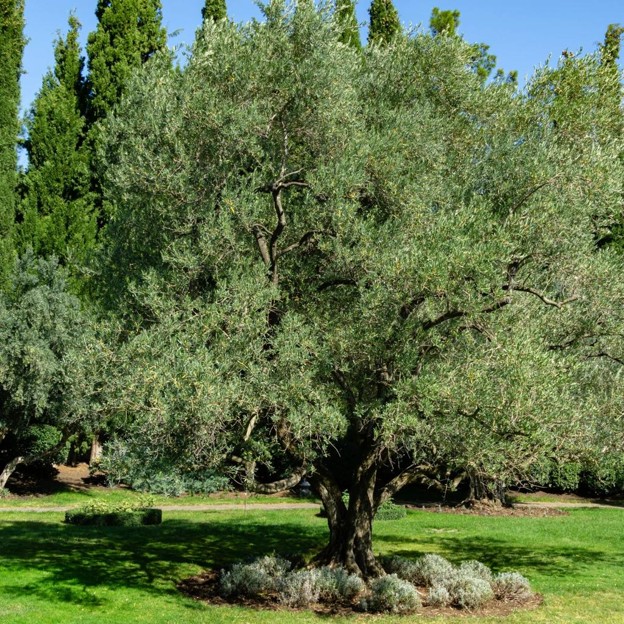
Olive trees benefit from selective pruning to manage crowded growth and maintain their shape. Remove dead branches and unwanted shoots while preserving sufficient foliage to protect the tree from heat.
For additional information about native desert trees, visit the University of Arizona’s guide to Mesquite and Palo Verde trees.
Common Tree Trimming Mistakes to Avoid
Even well-intentioned homeowners can accidentally damage trees through improper pruning techniques.
Some of the most common mistakes include:
- Tree topping: Cutting off major upper branches can encourage weak regrowth and increase future maintenance problems.
- Over-pruning: Removing excessive foliage reduces the tree’s ability to produce energy and can expose bark to sun damage.
- Improper cuts: Cutting into the branch collar or leaving long stubs can interfere with the tree’s natural wound closure.
- Ignoring tree structure: Removing the wrong branches can create an unbalanced canopy.
- Trimming at the wrong time: Different tree species respond differently to seasonal pruning.
The USDA Forest Service’s pruning guide explains why topping, flush cuts, and improper branch removal can harm tree health.
Should You Trim Trees Yourself or Hire a Professional?
Small branches that can be reached safely from the ground may be manageable for homeowners with the proper tools and experience.
However, professional tree trimming is recommended when:
- Your tree has large or heavy branches.
- Branches are growing near power lines.
- The tree is leaning or showing signs of structural damage.
- You need extensive canopy reduction.
- Storm damage has created hanging or unstable limbs.
- You are unsure how much of the tree should be removed.
Professional tree trimming helps protect both your property and the long-term health of your trees.
Frequently Asked Questions About Tree Trimming
How often should trees be trimmed in Arizona?
The frequency depends on the tree species, age, growth rate, and condition. Some trees benefit from annual inspections, while others may need corrective pruning only every few years. Trees should be evaluated regularly for damaged or hazardous branches.
Can you trim trees during the summer in Arizona?
Yes, certain trees, including Palo Verde and Mesquite, can tolerate appropriate summer pruning. However, excessive trimming during extreme heat can expose previously shaded bark and branches to sun damage. The best approach depends on the species and its condition.
How much of a tree can you trim at once?
For established Arizona desert trees, a conservative approach is best. University of Arizona guidance advises against removing more than 25% of the canopy at one time for Mesquite and Palo Verde trees. Many trees should have substantially less removed.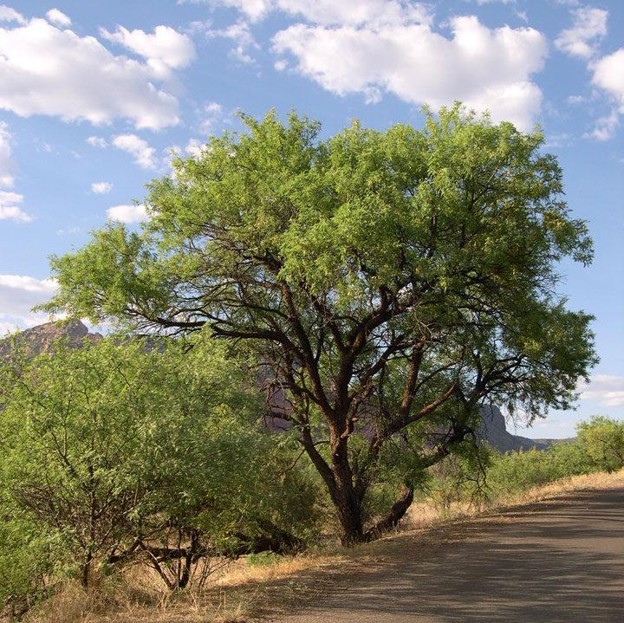
Does trimming a tree help it grow?
Proper pruning can improve tree structure, remove unhealthy branches, and direct future growth. However, trimming does not automatically make trees grow faster. Excessive pruning can actually slow growth and create stress.
What is the difference between tree trimming and tree pruning?
Tree trimming commonly refers to maintaining a tree’s appearance, clearance, and shape. Tree pruning generally focuses on removing specific branches to improve health, structure, and safety. In professional tree care, the terms often overlap.
How do you trim a tree without killing it?
Use sharp tools, make cuts outside the branch collar, remove only necessary branches, and avoid topping or excessive canopy removal. When dealing with mature trees, professional pruning is usually the safest approach.
Professional Tree Trimming in Phoenix, AZ – Aachen Tree Service
Knowing how to trim trees properly is essential for keeping your Arizona landscape healthy, beautiful, and safe. Whether you’re maintaining a mature Mesquite tree, pruning a Palo Verde, or preparing your property for monsoon season, proper tree care can help prevent unnecessary damage and costly problems.
At Aachen Tree Service, we provide professional tree trimming, tree pruning, tree removal, stump grinding, and emergency tree services throughout Phoenix, Scottsdale, Mesa, Tempe, Chandler, Gilbert, and surrounding communities.
Our team understands the unique challenges of maintaining trees in Arizona’s desert climate and can help you determine the right care for your property.
Need professional tree trimming in Phoenix or the surrounding areas? Contact Aachen Tree Service today to request an estimate and keep your trees looking their best!