12 Best Low-Water Trees for Arizona: Drought-Tolerant Trees for Phoenix Landscapes
 Arizona’s hot summers, limited rainfall, and ongoing water conservation efforts make choosing the right trees essential for homeowners. Whether you’re landscaping a new property or replacing an existing tree, selecting low-water trees in Arizona can help reduce water consumption while providing valuable shade, beauty, and curb appeal.
Fortunately, many drought-tolerant trees thrive in Phoenix and surrounding cities, including Scottsdale, Mesa, Chandler, Gilbert, and Tempe. From flowering Palo Verde trees to hardy Mesquite varieties, these trees are well-suited to Arizona’s desert climate.
At Aachen Tree Service, we understand the importance of choosing and maintaining trees that can withstand extreme temperatures and dry conditions. In this guide, we’ll explore 12 of the best drought-tolerant trees for Arizona, their benefits, and essential maintenance tips to keep them healthy year-round.
Why Choose Low-Water Trees for Your Arizona Landscape?
Water conservation is an important consideration for Arizona homeowners. According to the Arizona Department of Water Resources, choosing drought-tolerant plants is one way to create a more water-efficient landscape.
Planting low-water trees offers several advantages:
- Reduced water consumption: Established drought-tolerant trees generally require less supplemental irrigation than high-water varieties.
- Lower landscaping costs: Water-efficient trees may help reduce irrigation expenses.
- Natural shade: Large canopies provide shade for patios, yards, and outdoor living spaces.
- Improved curb appeal: Desert-adapted trees offer unique foliage, colorful flowers, and attractive branching structures.
- Less intensive maintenance: Many native and desert-adapted trees require relatively little maintenance when planted in suitable locations.
- Wildlife benefits: Flowering trees can provide food and habitat for birds, bees, and other pollinators.
Although these trees are drought-tolerant, they still require proper watering, especially during their first few years of establishment.
12 Best Low-Water Trees for Arizona
- Desert Museum Palo Verde
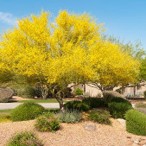 The Desert Museum Palo Verde is one of the most popular low-water trees in Phoenix. Known for its vibrant yellow flowers and green bark, this fast-growing tree provides filtered shade and thrives in full sun.
Best for: Front yards, desert landscaping, and flowering shade.
- Desert Willow
Desert Willow is a drought-tolerant tree that produces beautiful pink, purple, or white trumpet-shaped flowers. It attracts hummingbirds and other pollinators while adding seasonal color to Arizona landscapes.
Best for: Small yards, flowering landscapes, and wildlife-friendly gardens.
- Mesquite Tree
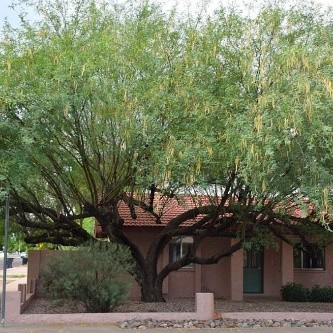 Mesquite trees are among Arizona’s most recognizable desert trees. Native varieties such as Velvet Mesquite offer broad canopies, attractive branches, and excellent drought tolerance once established.
Best for: Large yards, natural desert landscapes, and shade.
- Desert Ironwood
Desert Ironwood is a slow-growing native tree known for its durability and exceptionally dense wood. Its gray-green foliage and occasional lavender-colored flowers make it a distinctive choice for desert landscaping.
Best for: Native landscapes, long-term shade, and wildlife habitat.
- Mulga Tree
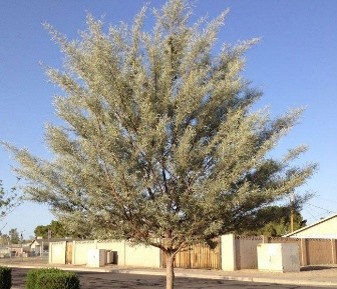 Mulga is a hardy evergreen tree that performs well in hot, dry environments. Its narrow growth habit and silvery-green foliage make it suitable for residential landscapes with limited space.
Best for: Small yards, privacy, and low-maintenance landscapes.
- Texas Ebony
Texas Ebony features dense, dark-green foliage and a rounded canopy. Once established, it tolerates heat and dry conditions while providing attractive evergreen shade.
Best for: Privacy, ornamental landscaping, and shaded seating areas.
- Willow Acacia
Willow Acacia is a fast-growing evergreen tree with long, narrow leaves and graceful, weeping branches. It provides shade relatively quickly but benefits from proper structural pruning to reduce weak branch attachments.
Best for: Larger yards and fast-growing evergreen shade.
- Arizona Rosewood
Arizona Rosewood is a drought-tolerant evergreen that can grow as a large shrub or small multi-trunk tree. Its dense foliage makes it an excellent choice for privacy and screening.
Best for: Privacy screens, small landscapes, and natural hedges.
- Chaste Tree (Vitex)
The Chaste Tree produces clusters of purple or lavender flowers during warmer months. This attractive ornamental tree tolerates heat and dry conditions once established and is especially popular in pollinator-friendly gardens.
Best for: Flowering landscapes, small yards, and pollinator gardens.
- Fruitless Olive Tree
Fruitless Olive trees offer a Mediterranean appearance with silver-green foliage and attractive branching. They tolerate hot, dry conditions and can provide evergreen shade.
Best for: Courtyards, decorative landscapes, and evergreen shade.
Check local planting restrictions and select a cultivar approved for your area.
- Netleaf Hackberry
Netleaf Hackberry is a native, drought-tolerant tree that provides wildlife habitat and seasonal shade. Its rugged appearance makes it well suited for natural desert landscapes.
Best for: Native gardens, wildlife-friendly yards, and low-water landscapes.
- Cascalote Tree
Caesalpinia cacalaco
Cascalote is an ornamental tree known for its yellow flowers, attractive foliage, and tolerance for desert conditions. Its relatively compact size makes it useful in smaller landscapes.
Best for: Decorative landscapes, courtyards, and seasonal color.
Which Low-Water Tree Is Best for Your Phoenix Property?
The best tree depends on your yard size, shade requirements, maintenance preferences, and landscaping goals.
| Landscaping goal | Recommended trees |
| Best for shade | Mesquite, Texas Ebony, Palo Verde |
| Best for small yards | Desert Willow, Cascalote, Arizona Rosewood |
| Best flowering trees | Palo Verde, Desert Willow, Chaste Tree |
| Best native trees | Ironwood, Netleaf Hackberry, Desert Willow |
| Best evergreen options | Mulga, Texas Ebony, Arizona Rosewood |
| Best for privacy | Arizona Rosewood, Texas Ebony |
Before planting, consider the tree’s mature height, canopy width, proximity to buildings, and potential interference with power lines.
How Much Water Do Drought-Tolerant Trees Need in Arizona?
One of the biggest misconceptions about drought-tolerant trees is that they never need watering.
Even native desert trees require adequate moisture during establishment. The amount of supplemental irrigation depends on the species, soil conditions, weather, and maturity.
Newly Planted Trees
Young trees need regular irrigation to develop healthy root systems. Water should reach the root zone without leaving the soil constantly saturated.
Established Trees
Once established, many desert-adapted trees can survive with infrequent deep watering. However, supplemental irrigation may still be beneficial during extended periods of extreme heat or drought.
Watering During Arizona Summers
Phoenix temperatures regularly exceed 100°F during summer. Monitor trees for signs of moisture stress, including wilting, premature leaf drop, and declining foliage.
Avoid frequent shallow watering, which may encourage roots to remain near the soil surface.
For additional information, consult the Arizona Department of Water Resources’ 2024 Phoenix Low-Water-Use Plant List.
Arizona Department of Water Resources+1
How to Maintain Low-Water Trees in Phoenix
Although drought-tolerant trees generally require less irrigation, regular maintenance is essential for healthy growth, structural stability, and long-term performance.
- Schedule Proper Tree Trimming
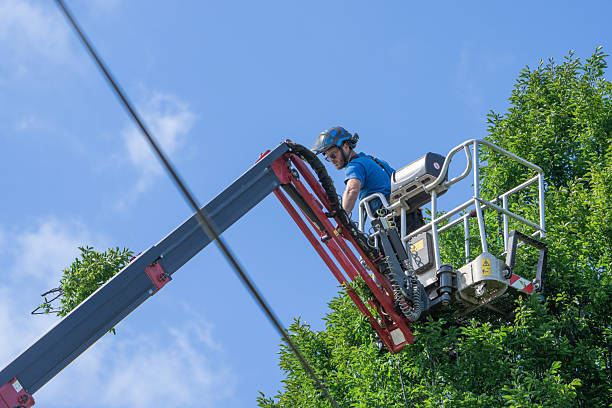
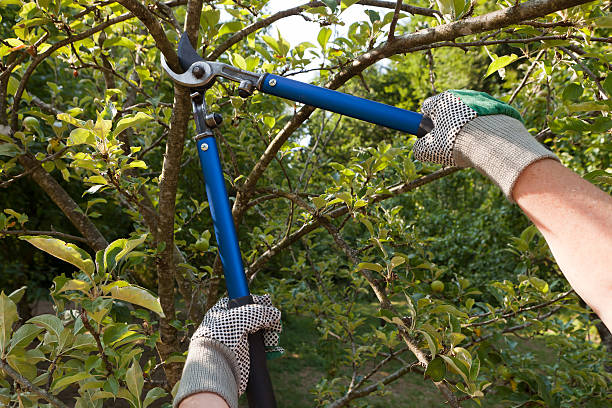
Professional tree trimming helps remove dead, damaged, and structurally weak branches while maintaining the tree’s natural shape.
Different varieties have different pruning requirements. For example, Palo Verde trees benefit from structural pruning, while Ironwood trees typically need more conservative trimming.
- Prepare Trees for Monsoon Season
Arizona’s monsoon storms can bring strong winds, heavy rainfall, and blowing dust. Trees with weak branch attachments, excessive canopy weight, or previous damage may be more vulnerable to storm-related failure.
Professional tree inspections can help identify potential hazards before severe weather arrives.
- Avoid Over-Pruning
Removing too much foliage can expose branches and trunks to intense Arizona sunlight, increasing the risk of sunscald and stress.
Excessive pruning can also encourage weak new growth. Avoid topping trees or removing large portions of the canopy unnecessarily.
- Monitor for Pests and Diseases
Drought-tolerant trees can still experience pest infestations, fungal problems, and environmental stress.
Watch for unusual leaf discoloration, dead branches, bark damage, or sudden changes in growth.
- Remove Dead or Hazardous Trees
When a tree becomes severely damaged, structurally unstable, or impossible to preserve safely, professional tree removal may be necessary.
An experienced tree service can evaluate the condition of the tree and recommend the most appropriate solution.
Frequently Asked Questions About Low-Water Trees in Arizona
What is the best low-water tree for Arizona?
Desert Museum Palo Verde, Mesquite, Desert Willow, and Ironwood are excellent choices. The best option depends on your available space, desired shade, and maintenance requirements.
What is the fastest-growing drought-tolerant tree in Arizona?
Desert Museum Palo Verde and Willow Acacia are relatively fast-growing options. Growth rates depend on irrigation, soil conditions, and proper care.
What is the best low-water shade tree for Phoenix?
Mesquite, Palo Verde, and Texas Ebony can provide excellent shade. Consider their mature canopy sizes before planting near homes, sidewalks, or driveways.
Do low-water trees need irrigation in Phoenix?
Yes. Newly planted trees require irrigation to establish their roots. Many established desert trees need only occasional supplemental watering, although requirements vary by species.
When is the best time to trim desert trees in Arizona?
The ideal pruning season depends on the species. Many trees benefit from pruning during cooler months or after flowering. Avoid excessive pruning during extreme summer heat.
Can drought-tolerant trees survive Arizona’s extreme heat?
Many native and desert-adapted trees tolerate Arizona’s high temperatures. However, newly planted trees and certain nonnative species may require additional irrigation and protection during extreme heat.
How do I know if my desert tree needs trimming?
Signs include dead branches, crossing limbs, weak branch attachments, branches growing too close to structures, and storm damage. A professional inspection can help determine whether pruning is necessary.
Professional Tree Trimming and Maintenance in Phoenix, AZ
Choosing the right drought-tolerant tree is only the beginning. Proper maintenance helps protect your investment and keeps your landscape looking beautiful throughout the year.
At Aachen Tree Service, we provide professional tree care for residential and commercial properties throughout Phoenix and the surrounding East Valley.
With over 25 years of experience, our team offers tree trimming, pruning, tree removal, stump grinding, and emergency tree services.
Whether you need to shape an established Palo Verde, remove damaged Mesquite branches, or prepare your trees for Arizona’s monsoon season, we’re here to help.
Contact Aachen Tree Service today for a free estimate!
Visit: https://aachentreeservice.com/
Keep your Arizona landscape healthy, beautiful, and safe with professional tree care.
Sources and Additional Resources
- SummerWinds Nursery – Low-Water Use Trees
- Arizona Department of Water Resources – Phoenix AMA Low-Water-Use Plant List (2024)
- Moon Valley Nurseries – The Essential Guide to Drought-Tolerant Plants for Arizona
The ADWR list is intended for specified regulated landscapes and is not a comprehensive residential planting guide. Tree suitability and local planting restrictions should be verified before installation.