
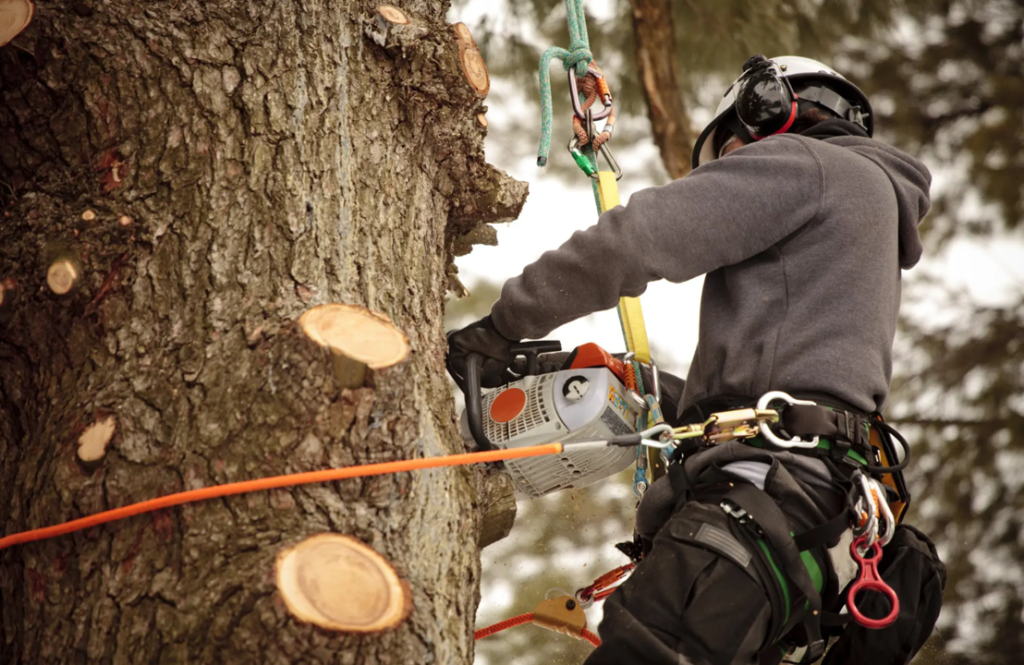
Tree Pruning vs. Tree Trimming: What’s the Difference and Why It Matters in Arizona?
If you’re a homeowner in Arizona, you’ve probably heard the terms tree pruning and tree trimming used interchangeably. While both involve cutting branches and maintaining trees, they serve very different purposes. Understanding the difference between tree pruning vs tree trimming can help protect your trees, improve your property’s appearance, and prevent costly storm damage.
This is especially important during Arizona’s monsoon season. With Day 1 of monsoon season officially here, weather experts are predicting stronger-than-normal storms this year due to the effects of El Niño. High winds, heavy rain, and sudden dust storms can quickly turn neglected trees into serious hazards.
For homeowners with Palo Verde or Mesquite trees, now is the ideal time to schedule professional trimming or pruning before storms arrive.
Why Tree Care Matters Before Arizona Monsoon Season
Arizona monsoon storms can create dangerous conditions for trees. Strong gusts can grab large, heavy branches and pull them down. If a tree has dense, overgrown limbs, it can act like a parachute, catching wind and increasing the risk of the entire tree toppling over.
This is especially common with desert trees like:
- Palo Verde Tree – One of the most recognizable Arizona trees and one of the most likely to fall during monsoon storms due to weak branching structures.
- Mesquite Tree – Fast-growing and beautiful, but prone to splitting if left unmaintained.
Routine pruning and trimming can significantly reduce the risk of storm-related damage to your property, vehicles, fences, and neighboring homes.
What Is Tree Trimming?
Tree trimming is mainly focused on the appearance and maintenance of a tree. It involves cutting back overgrown branches to improve shape, control growth, and keep your landscape looking clean.
Benefits of Tree Trimming
- Improves the tree’s overall shape and symmetry
- Controls overgrowth
- Prevents branches from touching roofs, windows, or power lines
- Enhances curb appeal
- Allows more sunlight to reach your lawn or garden
- Reduces excess weight before monsoon storms
Think of tree trimming like giving your tree a haircut. It keeps everything neat and manageable while promoting balanced growth.
When Should You Trim a Tree?
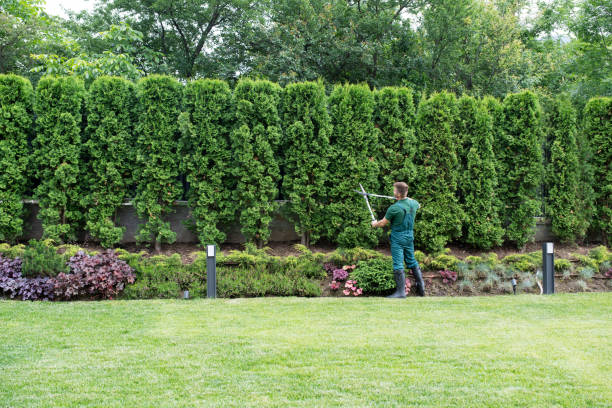
Tree trimming is often done during the growing season or whenever branches become overgrown. In Arizona, trimming before monsoon season is one of the smartest preventative steps you can take.
What Is Tree Pruning?
Tree pruning is more focused on the health and structural integrity of a tree. Instead of shaping the tree for appearance, pruning removes unhealthy or hazardous branches to encourage stronger, healthier growth.
Benefits of Tree Pruning
- Removes dead, diseased, or damaged branches
- Reduces the spread of disease
- Improves airflow through the canopy
- Allows better sunlight penetration
- Prevents safety hazards from weak limbs
- Encourages healthy growth by redirecting nutrients
- Strengthens trees against high winds
Pruning is often considered preventative tree care because it can stop problems before they become dangerous or expensive.
Tree Pruning vs Tree Trimming: What’s the Main Difference?
The simplest way to understand it is:
Tree trimming improves appearance.
Tree pruning improves health.
| Tree Trimming | Tree Pruning |
| Focuses on aesthetics | Focuses on health |
| Controls size and shape | Removes unhealthy branches |
| Done more frequently | Done as needed |
| Improves curb appeal | Improves longevity |
| Less technical | More strategic |
Both services are important, but they should be used for different reasons.
Signs Your Tree Needs Pruning Before Monsoon Season
If you notice any of the following, it may be time for professional tree pruning:
- Dead or brittle branches
- Branches rubbing against each other
- Visible fungus or disease spots
- Insect infestations
- Dense overcrowded branches
- Branches hanging over your home or driveway
- Cracked or split limbs
- Heavy top growth leaning in one direction
- Large canopies on Palo Verde or Mesquite trees
Ignoring these signs can increase the risk of falling branches, disease spread, and severe storm damage.
Why Palo Verde Trees Are So Vulnerable During Monsoons
The Palo Verde Tree is one of Arizona’s most iconic desert trees, but it’s also one of the most vulnerable during monsoon season. Their rapid growth and shallow root systems make them prone to uprooting, especially if the canopy becomes too heavy.
Without regular thinning, the tree catches strong winds like a sail. This is why many fallen trees after monsoon storms are Palo Verdes.
Mesquite trees also require regular maintenance because their limbs can become heavy and uneven, increasing the chance of splitting.
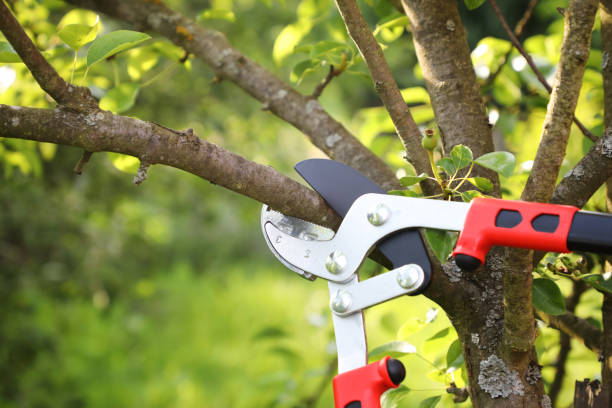
Can You Prune or Trim Trees Yourself?
Small trimming jobs may be manageable for homeowners, but larger pruning projects should always be left to professionals. Improper cuts can:
- Shock the tree
- Weaken branch structure
- Increase disease risk
- Attract pests
- Cause uneven growth
- Make trees more vulnerable to storm damage
Certified arborists understand how to properly reduce canopy weight while maintaining the health of desert trees.
Why Professional Tree Care Matters in Arizona
Hiring a professional tree service ensures your trees receive the right care at the right time. Tree experts can evaluate whether your tree needs trimming, pruning, or both—especially before monsoon storms hit.
Professional tree care helps:
- Extend the life of your trees
- Improve safety on your property
- Prevent expensive storm damage
- Protect your roof, vehicles, and fences
- Maintain healthy growth year-round
Schedule Tree Trimming or Pruning Before Monsoon Season
With Arizona monsoon season now underway and stronger storms expected this year, now is the time to act. If your Palo Verde, Mesquite, or other desert trees are overgrown, unhealthy, or becoming a safety concern, professional tree care can make all the difference.
Prevent storm damage before it happens. Contact your trusted local tree care specialist today for an inspection and expert recommendations.